Antikythera Mechanism: Greek Gear Tracking

The Antikythera mechanism is an ancient Greek Gear device that has puzzled historians and archaeologists for decades. Produced around 100 BC, it was the first known example of a geared mechanism and its use remains something of a mystery. This article will provide an overview of the Antikythera mechanism, its history, and what we currently know about it.
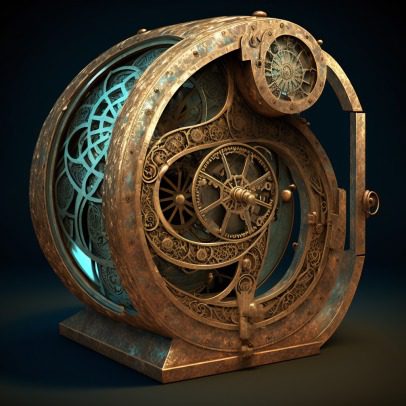
The Antikythera mechanism was discovered in 1901 when a group of sponge divers were exploring off the coast of the Greek island of Antikythera. It’s believed to be part of a larger shipwreck from thousands of years ago. What they found was an ancient piece of machinery consisting of numerous gears and dials made out of bronze and other metals. Its purpose remained unknown until recent technological advances allowed us to understand more about this mysterious device.
History Of The Antikythera Mechanism
The Antikythera Mechanism is a complex, mechanical device discovered in the early 1900s. It was found off the coast of Antikythera Island, Greece, when divers from a sponge-fishing boat stumbled upon it amongst the wreckage of an ancient Greek ship. The mechanism consists of over 30 bronze gears and has been dated to around 100 BC. Its purpose has been widely debated as its complexity was not seen again until the Middle Ages.
Consisting of numerous intricate pieces, many have suggested the device was used to track astronomical events such as lunar and solar eclipses and even predict future events based on astronomical cycles. It is thought to have had various dials that could be adjusted to calculate dates or astronomical positions for specific celestial events, making it one of the world’s earliest analog computers. To this day, scientists are still trying to decipher this amazing piece of technology and unlock its secrets.
Composition And Function
The Antikythera Mechanism is an ancient device discovered in a shipwreck off the coast of Greece. It consists of an intricate system of gears and dials which are believed to have been used as an astronomical tool, or a type of calculator. This mechanism was made around 205 BCE, making it one of the earliest known examples of complex mechanical engineering.

The structure and components of the Antikythera Mechanism suggest that it was used for predicting astronomical cycles, such as those for eclipses and celestial events like the motion of planets. It is also believed to have been used for calculating dates according to the Greek calendar. The device contained over 30 bronze gear wheels which were inscribed with markings that indicated their purpose. Researchers believe that these markings were used to determine the position of celestial bodies relative to each other at any given time.
The complexity and sophistication of this mechanism are remarkable considering its age, and suggest that it was created by a highly advanced civilization capable of remarkable engineering feats. Its discovery has shed light on the capabilities of ancient civilizations in terms of technology and science, providing evidence that they could achieve feats thought impossible until recently.
Recent Discoveries
The Antikythera Mechanism continues to astound the world today. Recent discoveries have revealed even more about this ancient device and its possible uses. Carbon dating has put the age of the Mechanism at around 200 BCE, making it much older than initially thought. Its complexity is unparalleled in its historical context, with gear trains, dials, and a differential gear that could be used to calculate eclipses and predict astronomical events.
The mechanism also appears to be able to track the four-year cycle of the Olympic Games, indicating it was likely used for entertainment or educational purposes as well as for calculating astronomical events. Analysis of fragments also suggests that it may have been used to track calendars from other cultures such as Babylonian or Egyptian calendars. This would suggest that the makers of the Antikythera Mechanism had knowledge of multiple cultures and an understanding far ahead of their time. It remains one of history’s most mysterious artifacts, with more recent discoveries only deepening its mystery further.
Applications And Significance
Building upon the recent discoveries of the Antikythera Mechanism, it is now clear that this device was far more complex than originally thought. This complexity has made it possible to explore the potential applications and significance of this ancient device. It is believed that the mechanism was used for astronomical and calendrical purposes, as evidenced by its intricate design and various inscriptions. The mechanism also was likely used to predict eclipses, as well as other celestial phenomena.
The significance of the Antikythera Mechanism is twofold. First, it serves as an example of how advanced technology could be developed in antiquity. Before its discovery, there wasn’t much evidence that such technology existed prior to the Renaissance period. Second, it shows us just how far we have come in terms of technological advancement since then.
From manual devices like this one to modern-day computers, humanity has achieved a tremendous amount of progress in a relatively short amount of time. As we continue to explore our past and strive for innovation in the future, the Antikythera Mechanism will remain an important symbol for what mankind can accomplish with dedication and ambition.
Theories And Mysteries
Far from a mere curiosity, the Antikythera Mechanism is an enigma that continues to captivate the minds of modern historians. Its purpose and origin remain shrouded in mystery, stirring up a variety of possible interpretations and theories as to what it was used for. Theories range from astronomical calculator to navigational tool and even political propaganda.
While some suggest it was created by certain ancient philosophers or craftsmen, others point out its similarities with other ancient mechanical devices from the Mediterranean region. Furthermore, many scholars have studied its construction and design, attempting to uncover its secrets through careful analysis of its intricate gears and mechanisms.

Despite all these efforts, no definitive conclusion has yet been reached about the purpose or creator of this extraordinary machine. Yet one thing remains certain: the Antikythera Mechanism is an unparalleled example of ancient engineering ingenuity that continues to spark curiosity and fascination today.
Frequently Asked Questions
How Does The Antikythera Mechanism Work?
The Antikythera Mechanage is an ancient device that was discovered in a shipwreck. It’s believed to be the world’s first analog computer, and it works by using an intricate system of bronze gears and cogs to calculate different astronomical events, such as the lunar and solar cycles. This complex mechanism was designed with intricate precision and was able to accurately predict eclipses, predict dates for the Olympic Games, and more.
Who Invented The Antikythera Mechanism?
The inventor of the antikythera mechanism is unknown. It was discovered in an ancient shipwreck off the coast of Antikythera, Greece, in 1901, and is estimated to have been constructed around 100 BC. It is believed to be one of the world’s first analog computers and has since become known as an important example of ancient Greek technology. Although the exact identity of its creator remains a mystery, some historians speculate that it may have been the work of Archimedes or another great thinker from the time period.
What Is The Purpose Of The Antikythera Mechanism?
The purpose of the mechanism is to act as an ancient analog computer that was used to predict astronomical positions and eclipses for calendar and astrological purposes. It was discovered in 1901, on a shipwreck, by sponge divers near the Antikythera island in Greece.
Are There Any Other Similar Devices Like The Antikythera Mechanism?
Yes, there are other devices similar to the antikythera mechanism. These devices are known as orreries, and they use a combination of gears and dials to show the motion of the planets in our solar system. Orreries were first developed in the 17th century, while the antikythera mechanism is thought to have been built at least 100 years earlier.
Is The Antikythera Mechanism Still In Use Today?
No, the antikythera mechanism is no longer in use today. It was an ancient Greek device used to calculate the positions of the stars, planets, and other celestial bodies, but it is no longer used because more accurate and modern devices have been developed.
Conclusion
The Antikythera Mechanism is an incredible invention that still amazes us today. Its purpose was to help people understand the movements of the stars and planets, something that we take for granted today. It’s remarkable to think that this complex device was invented by the ancient Greeks so long ago. It’s a testament to their skill and knowledge of mathematics and astronomy.
Today, we have a much better understanding of our universe thanks to advances in technology and science. We can use modern instruments to explore space and uncover its secrets. But the Antikythera Mechanism will always remain as a reminder of how far humans have come in understanding the universe around them.


